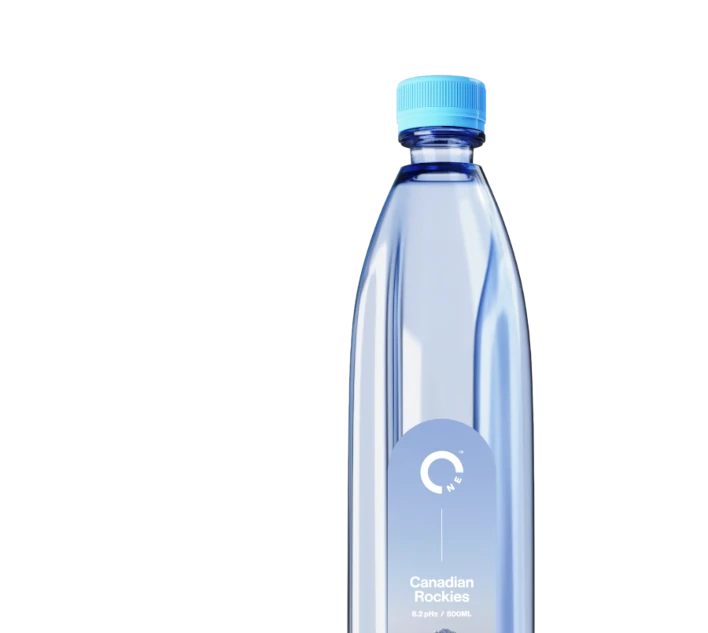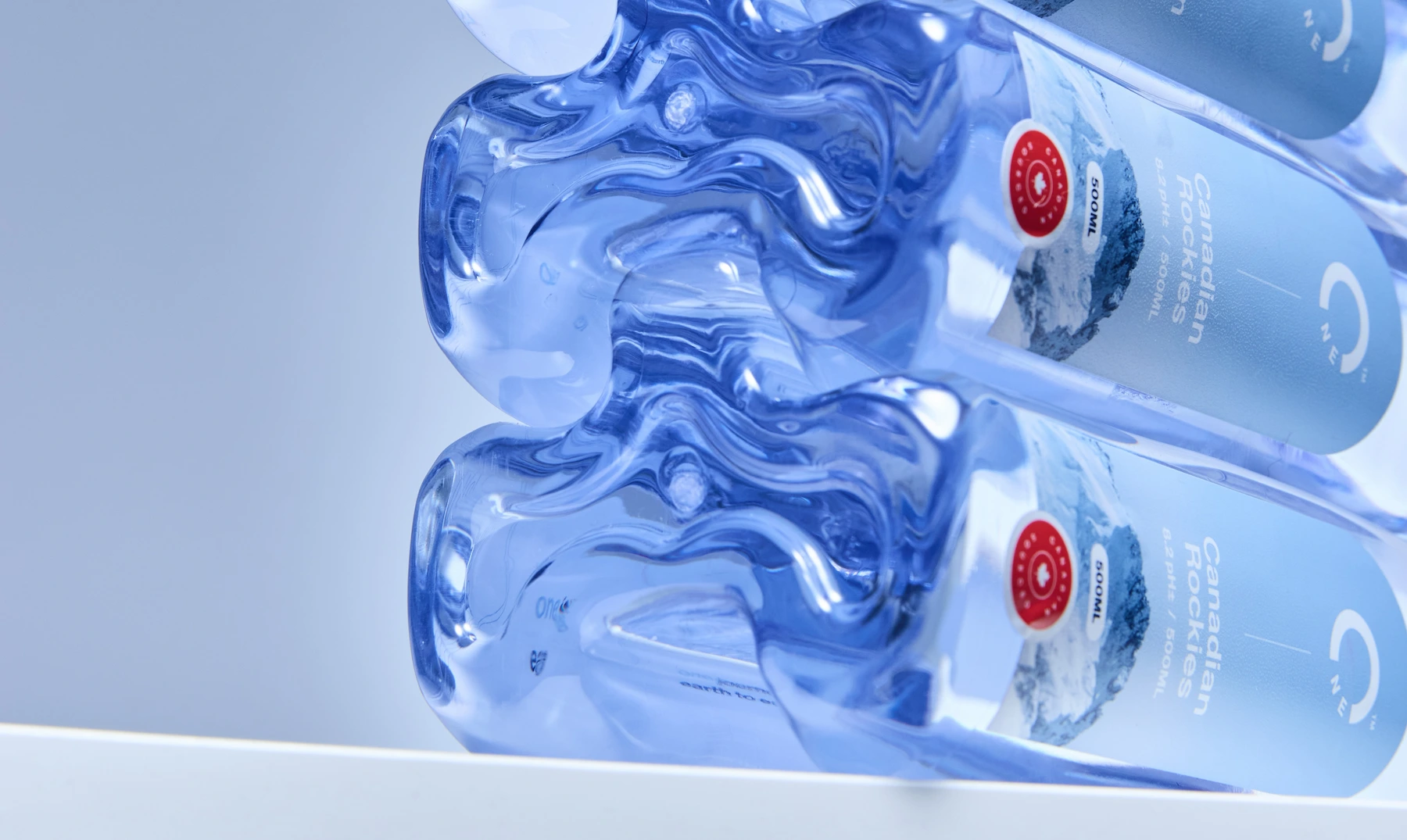
You lift the bottle and pause for a second before opening it. The weight settles into your hand. The clear water catches the light. And it already feels refreshing.
That moment matters more than you might think.
Long before water reaches your taste buds, your brain is already forming expectations about how it will taste. That’s how taste is perceived — not just on your tongue, but through everything you see, feel, and anticipate.
So does packaging actually influence flavor? Or is taste purely about what’s inside the bottle?
Science suggests it’s both.
How Taste Is Perceived: It Starts in the Brain
When you think about taste, you probably think about your tongue — sweet, salty, bitter, sour.
But taste is more layered than that.
Your brain blends sight, touch, sound, memory, and expectation to create what you experience as flavor. This multisensory process plays a powerful role in how taste is perceived, shaping your experience before you consciously register it.
Before you ever sip, your senses are already contributing to the process:
- Sight: Clear water and minimalist design signal purity and simplicity.
- Touch: The weight and texture of a bottle subtly suggest quality and care.
- Sound: The twist of a cap or break of a seal cues freshness.
- Expectation: Branding and origin stories shape whether you anticipate crispness, softness, or smoothness.
Your brain doesn’t evaluate these signals separately. It integrates them into a single, unified perception.
That means packaging isn’t separate from taste. In fact, it becomes part of the first layer of the experience itself.
The Psychology of Packaging and Flavor Expectations
You may not consciously analyze packaging, but your brain absolutely does.
Research shows that visual cues like color, design simplicity, and material influence what you expect to taste.
Clean, uncluttered packaging often signals purity and refinement. Overly busy or loud visuals can subtly imply heaviness or artificiality, even when the product itself hasn’t changed.
Weight also plays a role. Heavier packaging has been shown to increase perceived quality and even flavor intensity. When something feels substantial in your hand, your brain often assumes it will deliver a more satisfying experience.
The story of a product deepens that effect.
When you know your water is globally sourced from pristine regions, that narrative primes you to expect clarity and balance.
The idea of origin becomes intertwined with the sensory experience, reinforcing what you anticipate before the first sip.
Does Water Taste Different, Or Does It Feel Different?
You might reasonably ask: if water is water, shouldn’t it taste the same regardless of the bottle it comes in?
Composition absolutely matters to overall flavor. Mineral balance, source, and Total Dissolved Solids (TDS) influence smoothness and mouthfeel.
For example, Lower TDS levels can create a cleaner, lighter taste profile.
But perception matters too. If you expect something to taste crisp and refined, your brain often enhances those qualities in your experience.
That doesn’t mean the flavor is imagined. It means your sensory system works as a whole, blending chemistry and context.
Ultimately, two forces shape how taste is perceived:
- The physical composition of the water (minerals, TDS, source)
- The sensory framing around it (design, weight, story, and environment)
When those two elements align, the experience feels seamless and consistent.
That’s why premium hydration isn’t just about what’s removed or added to the water. It’s about how composition and presentation work together to create balance.
The Elevated Experience: Why Design and Sustainability Still Matter
Hydration isn’t reserved for special occasions. It’s part of your everyday rhythm.
When packaging feels intentional — clean lines, visible clarity, balanced design — it integrates naturally into that rhythm. It feels considered without feeling out of reach, premium without feeling exclusive.
Sustainability adds another layer.
When you know your water is responsibly packaged, that awareness creates a subtle sense of ease. You’re not just hydrating; you’re making a conscious choice that aligns with how you want to live.
And when a bottle reflects global sourcing and pristine origins, it becomes more than a container. It quietly reinforces the idea that purity can be both accessible and thoughtfully designed.
Taste Begins Before the First Sip
How taste is perceived isn’t just chemistry. It’s psychology, sensory integration, and expectation meeting reality.
When you hold a bottle that feels transparent, balanced, and intentionally designed, your brain begins shaping the experience before you even drink.
Next time you take a sip, pause for a moment and notice what you see, what you feel, and what you anticipate.
Because hydration isn’t only about quenching thirst, it’s about experiencing it clearly, intentionally, and confidently.
Discover hydration that feels as good as it tastes. Find One Water near you today!