We often think of water as something that simply hydrates, without flavor or variation.
But if you’ve ever taken a sip in a different city or from a different source, you likely noticed something subtle: the taste of water changes.
What you’re experiencing isn’t random. The way water tastes is shaped by its environment, including where it comes from, what it passes through, and how it’s handled along the way.
Why the Taste of Water Changes More Than You Realize
At its core, water is simple. But in the real world, it’s rarely just H₂O.
As it moves through natural landscapes or manufactured systems, it picks up minerals, elements, and characteristics that influence its taste.
You may have noticed this without realizing it. Water at home might taste familiar and clean, while water in a hotel or another region feels heavier, flatter, or even slightly metallic.
These differences aren’t in your head. Instead, they’re a reflection of the environment behind every glass.
The Environmental Factors That Shape the Taste of Water
Every sip of water carries a story. Its taste is shaped by a combination of environmental elements working together, often in ways you don’t immediately notice.
When we look closer, these factors reveal why water can feel crisp in one place and flat or heavy in another.
Source of the Water
Where water begins its journey has one of the biggest impacts on how it tastes.
Natural spring water, for example, is filtered slowly through layers of rock and earth, which helps create a clean, balanced profile.
In contrast, water from municipal systems is often treated and distributed through infrastructure.
While safe to drink, this process can introduce subtle chemical notes that change the overall experience.
Mineral Content
As water moves through the earth, it absorbs minerals like calcium and magnesium. These elements shape both flavor and texture.
In the right balance, minerals can give water a crisp, refreshing quality. When concentrations are higher, they can create a heavier mouthfeel or slightly alter the taste, making it feel less clean.
Geography and Terrain
The land itself leaves its mark on the water you drink. As it travels through different terrains like rock, sand, or soil, it picks up unique characteristics from each layer.
This filtration by the earth is why water from different regions can taste noticeably different. The environment it passes through becomes part of the final experience.
Treatment and Infrastructure
Before water reaches you, it often passes through pipes, storage systems, and treatment facilities. These steps are essential for safety, but they can also influence taste.
Additives like chlorine, along with aging infrastructure, may leave behind subtle flavors or aftertastes that affect how clean the water feels.
Temperature and Surroundings
Temperature plays a powerful role in how we perceive water. Cooler water tends to feel lighter and more refreshing, while warmer water can make subtle flavors more noticeable.
Surroundings also matter. The same water can taste different depending on where you are and how you’re experiencing it, adding another layer to how the environment shapes every sip.
How Your Surroundings Influence What You Taste
Your environment shapes how you experience water. That’s because taste isn’t just about what’s in the glass — it’s about where you are when you drink it.
Think about the difference between a sip after a workout and one taken during a quiet moment at home. Or the way water tastes while traveling, when everything feels new and unfamiliar.
The same liquid can feel completely different depending on the setting.
In this way, the environment works on two levels. It defines the water itself and influences you, the one experiencing it.
How to Start Noticing the Difference in Water Taste
Once you become aware of these nuances, you start to notice them everywhere. Developing this awareness is simple.
Here are some things to acknowledge when differentiating between different water tastes:
- Pay attention to how water tastes in different locations
- Notice the mouthfeel, like whether it feels light, crisp, or slightly heavy
- Compare how temperature changes your perception
- Look for any aftertaste or lingering notes
- Try different sources side by side to experience contrast
The more you notice, the more refined your perception becomes. What once felt identical begins to reveal subtle, meaningful differences.
What Pure Water Is Supposed to Taste Like
So what does truly pure water taste like?
At its best, water should feel clean, balanced, and effortless. There’s no harshness or lingering aftertaste, just a smooth, refreshing experience that feels natural with every sip.
When water is overly processed or influenced by external factors, those qualities can shift. You might notice a metallic edge, a flatness, or a chemical note that interrupts the experience.
True purity comes from the origin, and it’s shaped long before the water ever reaches you.
The One Water Difference: A Taste Defined by Origin
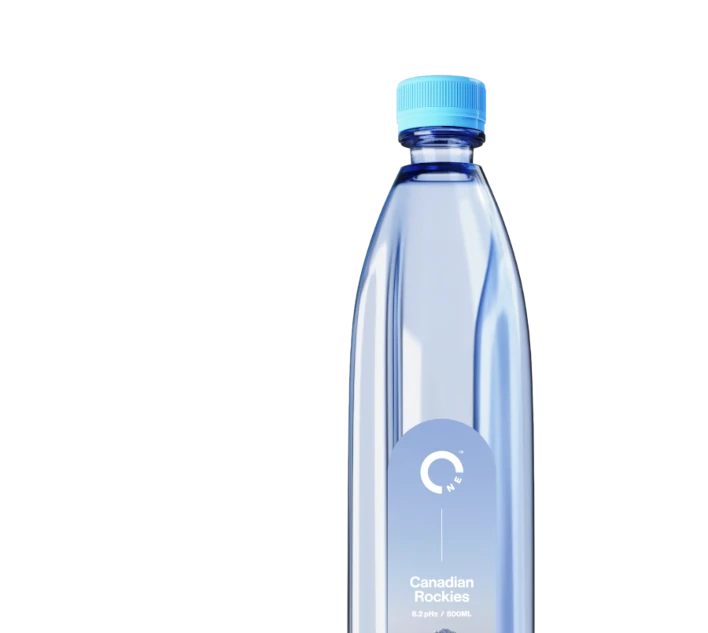
At One Water, we believe the best taste comes from the right environment.
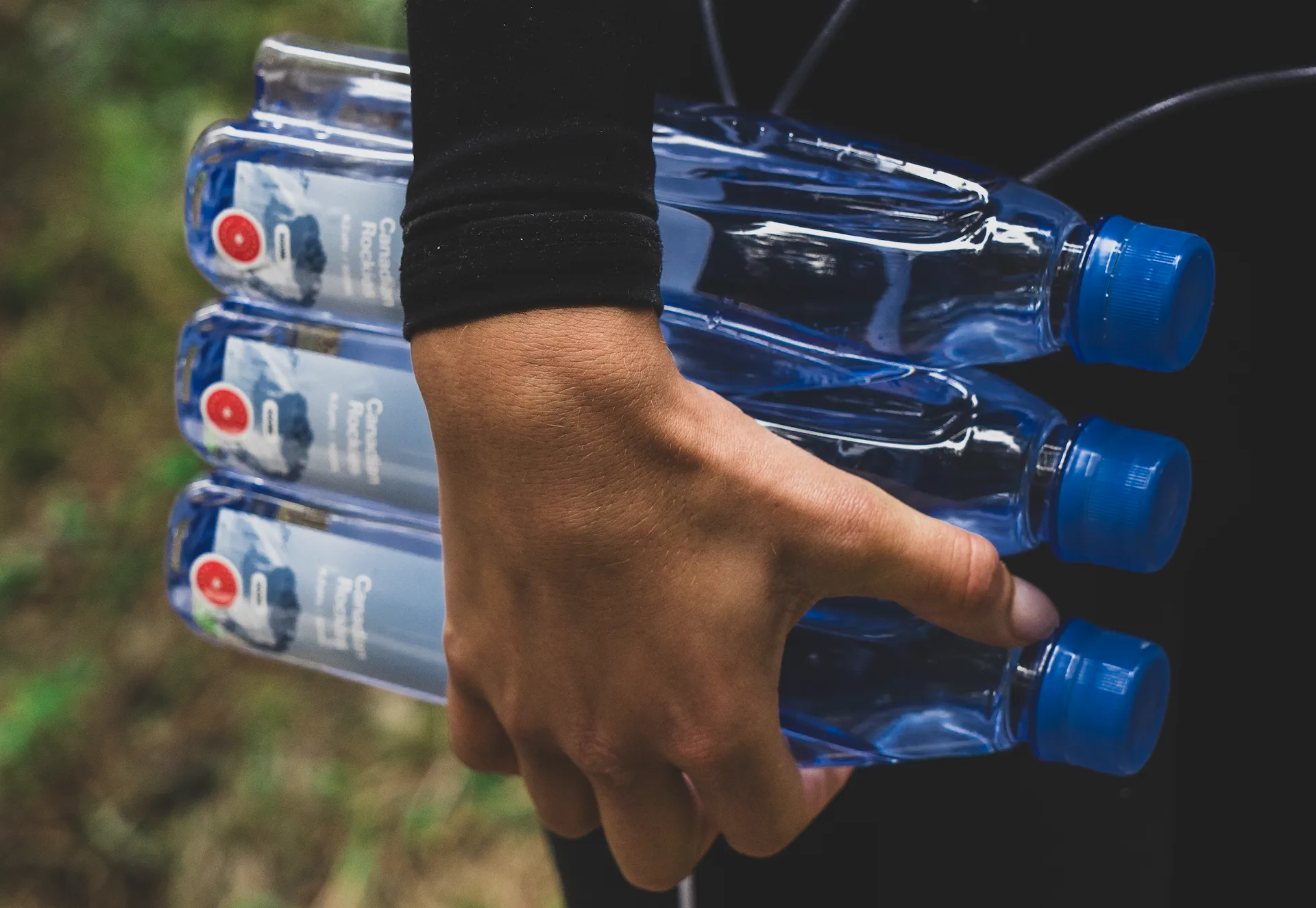
That’s why our water is sourced from pristine regions where nature does the work by filtering, balancing, and preserving its integrity.
The result is a taste that feels clean, smooth, and naturally refined. There’s nothing added to create the experience. It’s defined by origin, shaped by the land, and delivered exactly as it should be.
Taste Water the Way It Was Meant to Be
The taste of water is never as simple as it seems. It’s influenced by environment, shaped by journey, and experienced through your senses in ways you may not have noticed before.
Once you begin to pay attention, everything changes. Water becomes something you experience, not just consume.
Discover what water is meant to taste like. Shop One Water on Amazon today!