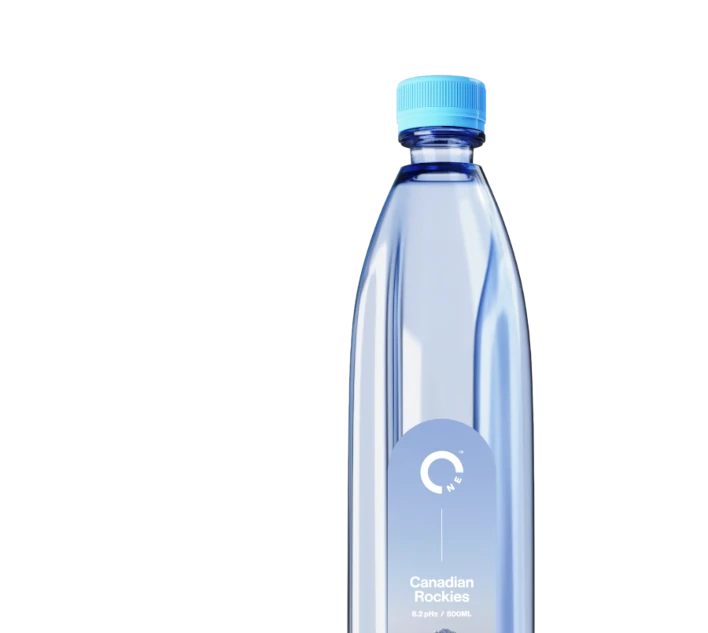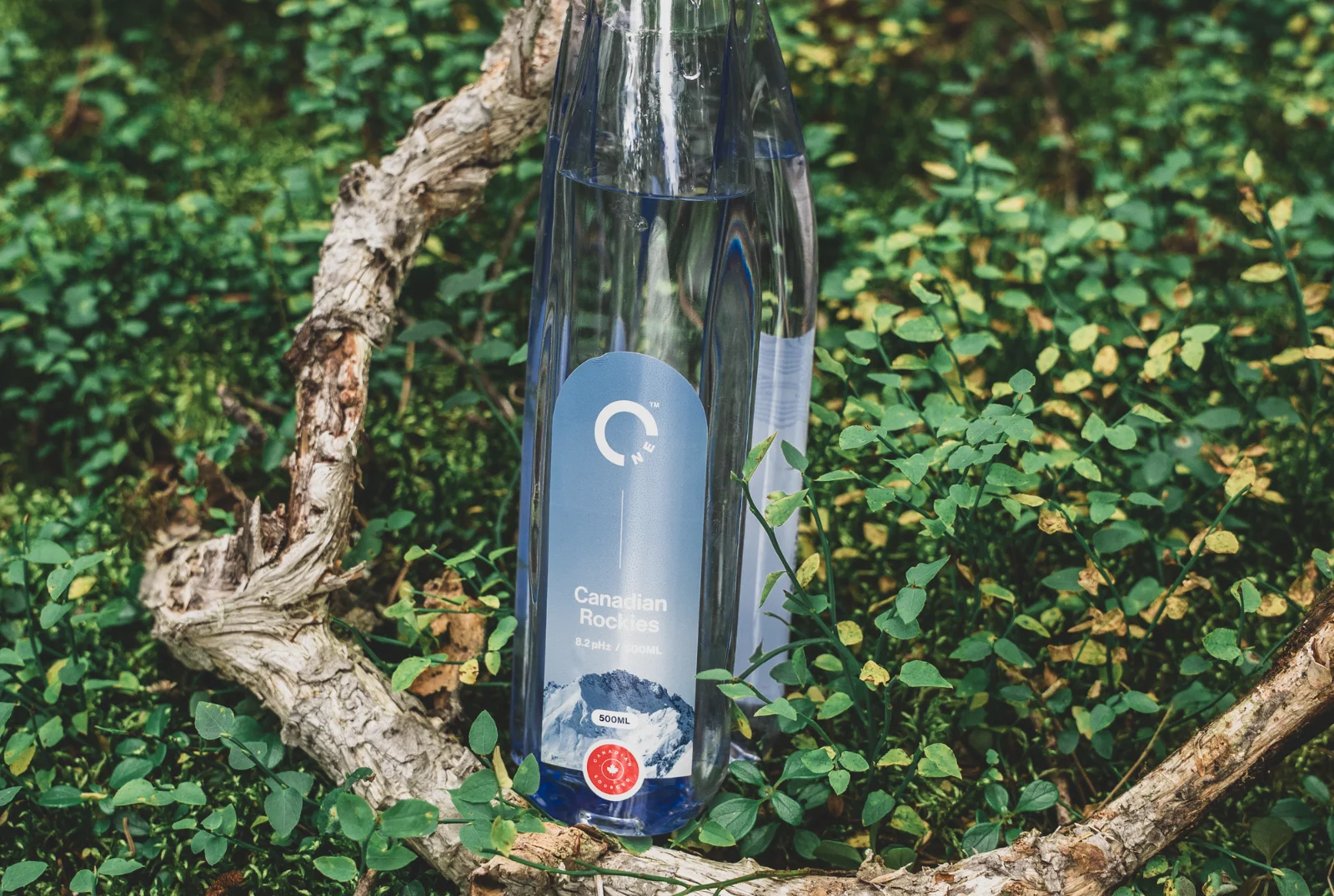
Bottled water is part of everyday life for many of us, often chosen for convenience but questioned for its environmental cost.
As conversations around climate change and responsible consumption continue to grow, more consumers are asking an important question: What does sustainable bottled water really mean?
The answer goes far beyond recycling bins and eco-friendly labels. True sustainability is about balance between what we take from the planet and what we give back.
Understanding What “Sustainable” Really Means
Sustainability isn’t just about using recyclable packaging or reducing waste. It’s a broader commitment to environmental health, social responsibility, and long-term economic viability.
These three pillars form the foundation of what true sustainability looks like in bottled water and beyond.
- Environmental: How water is sourced, bottled, and shipped.
- Social: Fair labor, community impact, and access to clean water.
- Economic: Transparent practices that support long-term viability.
According to the United Nations University, global bottled water consumption continues to rise by billions of liters each year, putting increasing pressure on ecosystems and supply chains.
That’s why understanding sustainability holistically is critical. It’s not about perfection; it’s about progress through accountability.
Where Most Bottled Water Brands Fall Short
In today’s market, sustainability claims are everywhere, yet few truly hold up under scrutiny.
Many brands spotlight their “eco-friendly” bottles while overlooking the hidden costs of production, transportation, and disposal.
The Myth of “Recyclable” Sustainability
“Recyclable” doesn’t automatically mean sustainable. In reality, only a small fraction of plastic bottles are ever recycled properly, while the rest end up in landfills or oceans.
Even recycled plastics carry a carbon footprint due to the energy required for processing and transport.
Here’s where most conventional bottled water brands fall short:
- Heavy reliance on virgin plastic production
- Minimal investment in renewable energy or local sourcing
- Lack of transparency across their supply chain
- Marketing claims that outpace measurable results
What True Sustainability Looks Like in Bottled Water
If most brands are missing the mark, what does genuine sustainability actually look like? It starts with measurable actions that can be tracked, audited, and improved over time.
From Source to Shelf: The Complete Sustainability Journey
Sustainable bottled water brands think beyond the bottle. They begin with responsible sourcing, choosing water from protected, renewable sources that don’t disrupt local ecosystems.
From there, they focus on bottling facilities that use clean energy, reduce water waste, and optimize logistics for lower emissions.
Real sustainability is a blend of science and intention. It’s about turning promises into proof by investing in transparency, innovation, and partnerships that protect both people and the planet.
How to identify a truly sustainable bottled water brand:
- Transparent sourcing and third-party certifications
- Reduced carbon emissions through efficient logistics
- Packaging made from renewable or recycled materials
- Investments in clean water initiatives or reforestation projects
The Future of Sustainable Water
The bottled water industry is entering a transformative era. From new materials to smarter distribution models, innovation is paving the way toward a more sustainable future.
Reusable and Renewable Bottling Systems
Aluminum and glass are gaining traction as durable, infinitely recyclable alternatives to plastic. Both materials can be reused countless times without losing quality, fitting seamlessly into circular packaging models.
However, they’re not without challenges. Glass is heavy, which increases transportation emissions, while aluminum bottles often require plastic liners to preserve freshness, complicating recyclability.
The next phase of innovation will come from brands that find creative ways to minimize trade-offs, balancing durability with low-impact shipping and production.
The Promise of Plant-Based Bioplastics
Bioplastics are reshaping the packaging conversation by introducing materials made from renewable sources like sugarcane or corn. When responsibly sourced, these materials can significantly reduce reliance on fossil fuels.
However, without proper composting and waste management systems, bioplastics risk ending up in the same landfills as traditional plastic.
Brands committed to sustainability must pair innovation with education and help consumers understand how to dispose of and recycle these new materials properly.
Localized Bottling and Smart Distribution
Regional bottling plants are redefining efficiency by reducing transportation miles and overall carbon emissions. This approach not only cuts environmental impact but also strengthens local economies through job creation and community investment.
Technology is also playing a growing role. Innovative packaging and digital traceability systems now allow brands and consumers to see exactly how — and where — a bottle was produced, giving transparency a new meaning in the age of sustainability.
Ultimately, actual progress will come from combining innovation with integrity, ensuring every stage of the process contributes to a cleaner, more responsible future.
A Calmer, Clearer Path Forward With One Water
Sustainability isn’t a buzzword — it’s a mindset. It’s the daily choice to move toward better solutions, even when the path isn’t simple.
At One Water, every bottle is crafted with that purpose in mind. From globally sourced origins to design-conscious packaging, we believe hydration should feel good for you and for the planet.
Discover the purity of nature with One Water, and take a trip with every sip.